

Nature's Replenishable Gifts
Resources that regenerate naturally through ecological cycles — the foundation of a sustainable civilization. Properly managed, these resources can meet human needs indefinitely.
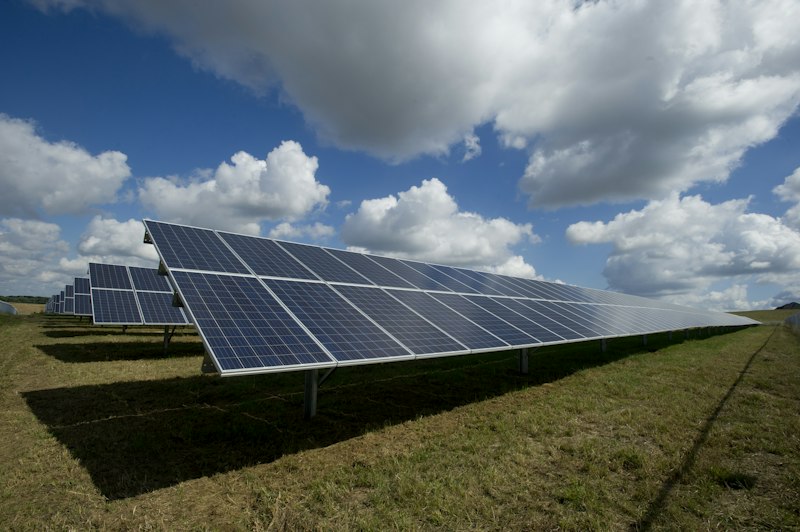
Solar Energy
Energy harnessed from the sun's radiation, the most abundant energy source on Earth.
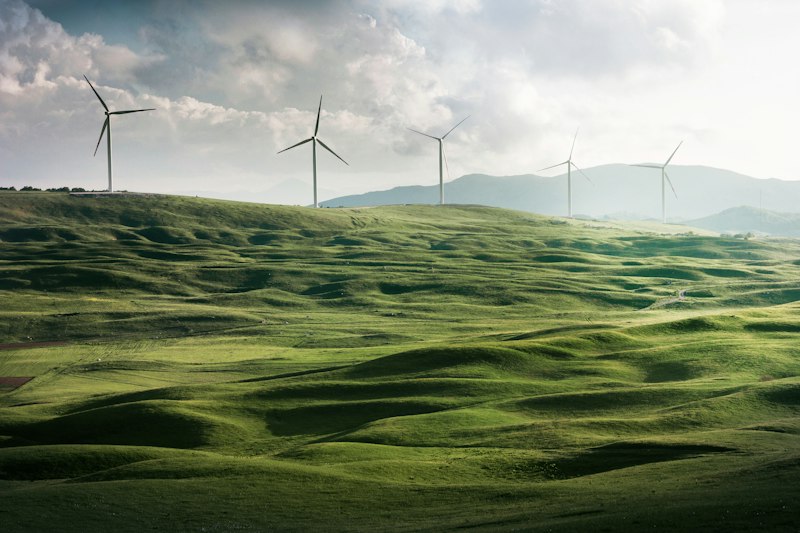
Wind Energy
Kinetic energy from atmospheric air currents converted into mechanical or electrical power.

Water (Freshwater)
Earth's freshwater — rivers, lakes, glaciers, and groundwater — essential for all life.

Forests & Timber
Earth's forests covering 31% of land area, providing timber, habitat, and climate regulation.

Soil
The living skin of the Earth — a complex ecosystem of minerals, organic matter, water, air, and organisms.
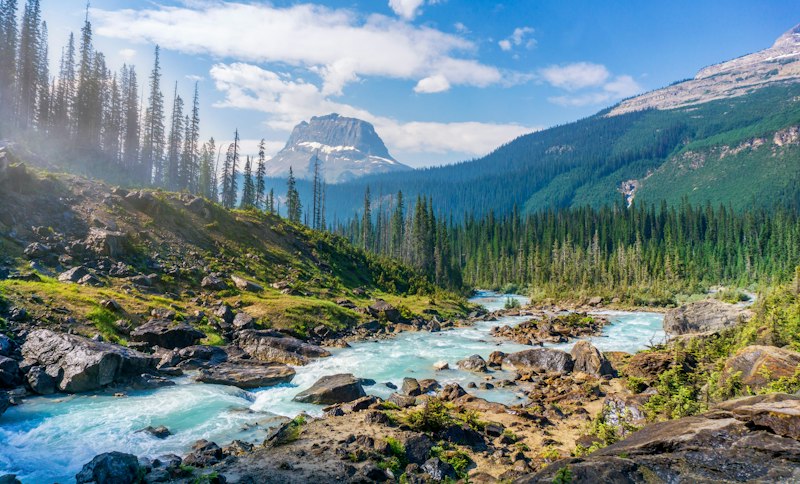
Geothermal Energy
Heat energy from within the Earth's core, available continuously regardless of weather or season.
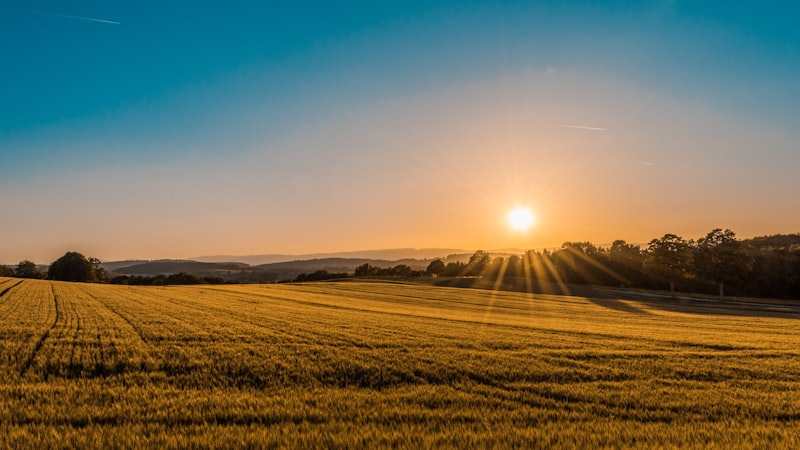
Biomass & Bioenergy
Organic matter from plants and animals that can be converted into energy, fuels, and materials.

Tidal & Wave Energy
Energy captured from ocean tides and waves, driven by gravitational pull and wind patterns.

Air & Atmosphere
Earth's gaseous envelope sustaining life — a mixture of nitrogen, oxygen, and trace gases that regulate climate and enable respiration.
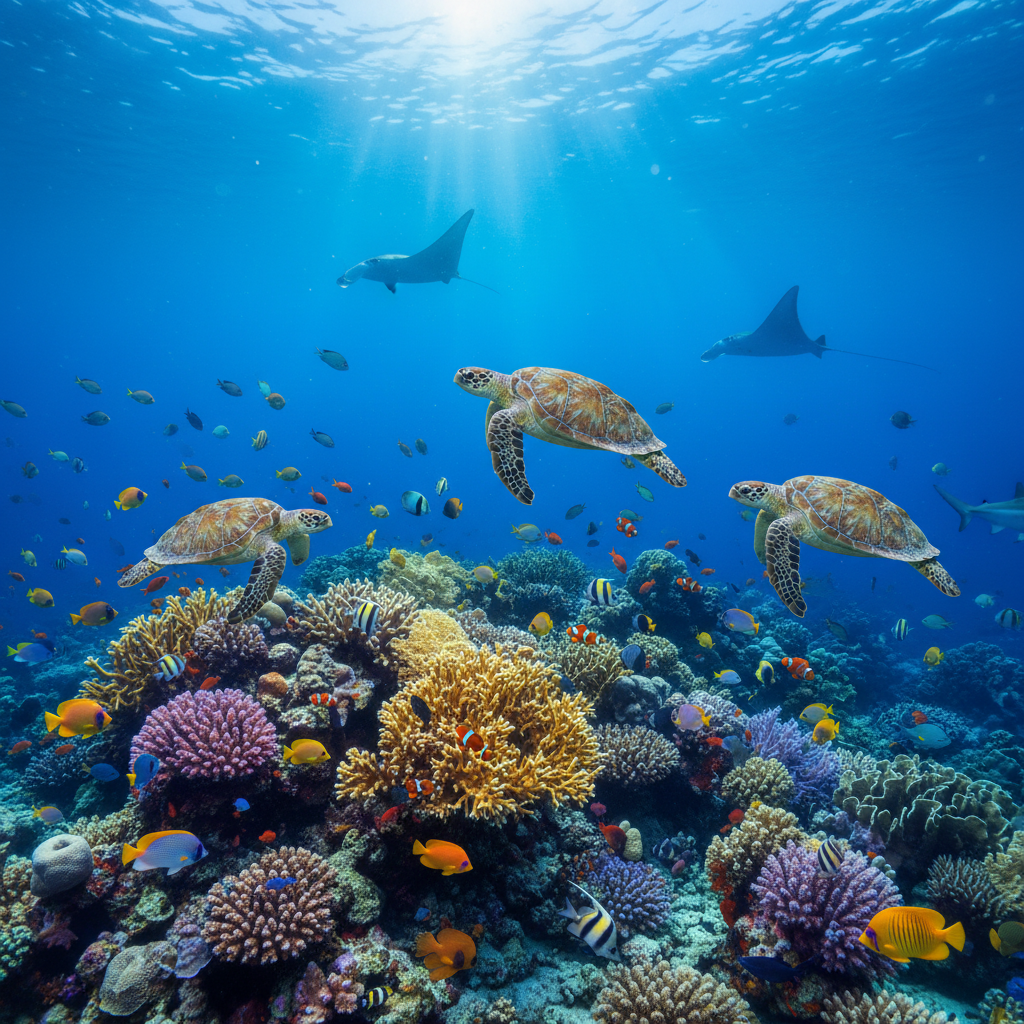
Oceans & Marine Ecosystems
Earth's vast saltwater bodies covering 71% of the surface — the cradle of life, climate regulator, and oxygen producer.
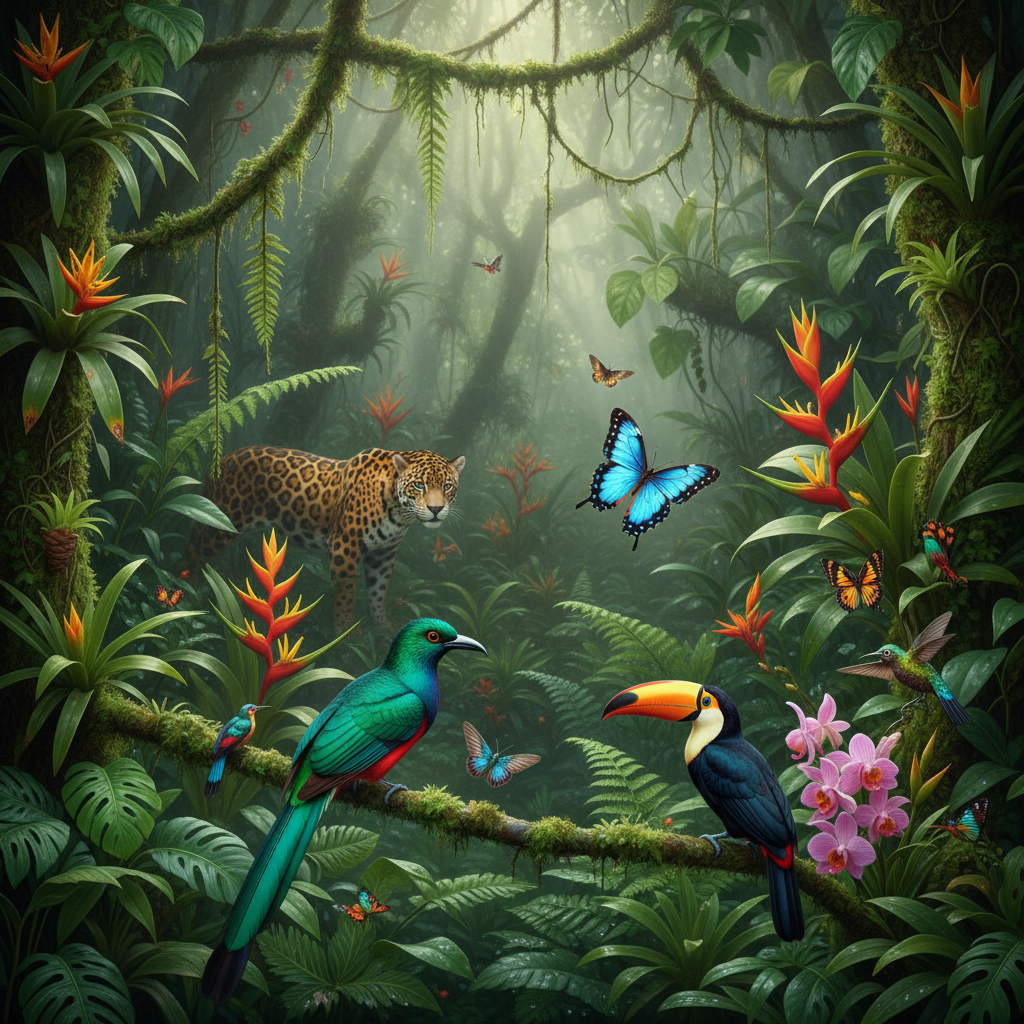
Biodiversity & Wildlife
The variety of all living organisms on Earth — from microbes to mammals — forming intricate webs of interdependence.
The Promise of Renewable Resources
When we invest in renewable energy, protect our forests and oceans, and restore our soils, we create a world that can sustain itself — and us — for thousands of generations.
Captain Earth
Ask me anything 🌍